
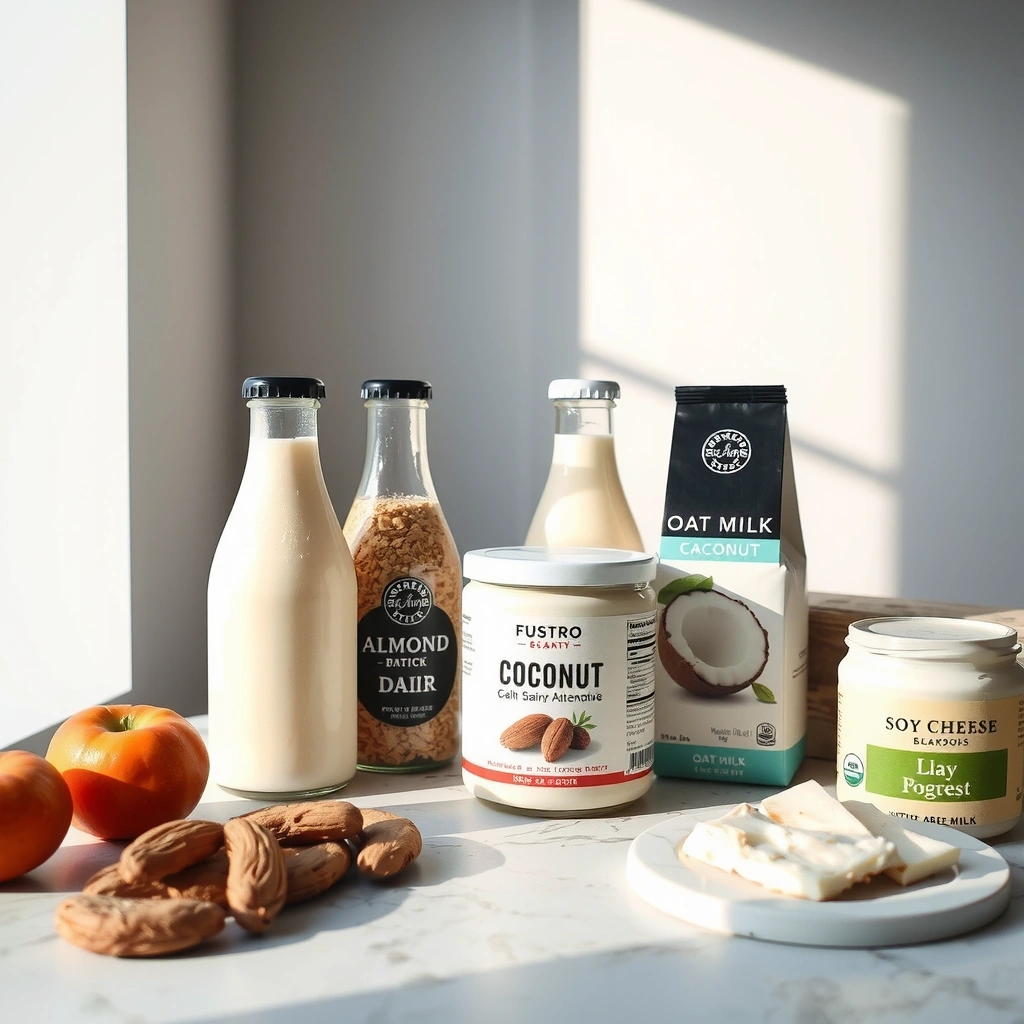
Plant-Based Dairy Alternatives
Discover the perfect dairy substitutes for your lifestyle - from creamy almond milk to rich coconut yogurt, find your ideal plant-based alternatives with complete nutritional guides
Why Choose Plant-Based Dairy?
The plant-based dairy market has exploded in recent years, offering delicious and nutritious alternatives to traditional dairy products. Whether you're lactose intolerant, following a vegan lifestyle, or simply looking to reduce your environmental footprint, plant-based alternatives provide exceptional taste and nutritional benefits.
Modern plant-based dairy products are crafted using advanced techniques that replicate the taste, texture, and nutritional profile of traditional dairy. From protein-rich soy milk to creamy oat beverages, each alternative brings unique flavors and benefits to your table.
Eco-Friendly
70% lower carbon footprint
Lactose-Free
Perfect for sensitive stomachs
Protein Rich
Comparable protein content
Cholesterol-Free
Heart-healthy choice
Complete Guide to Dairy Alternatives
Explore our comprehensive collection of plant-based dairy alternatives, each carefully selected for their unique properties, nutritional benefits, and exceptional taste profiles.
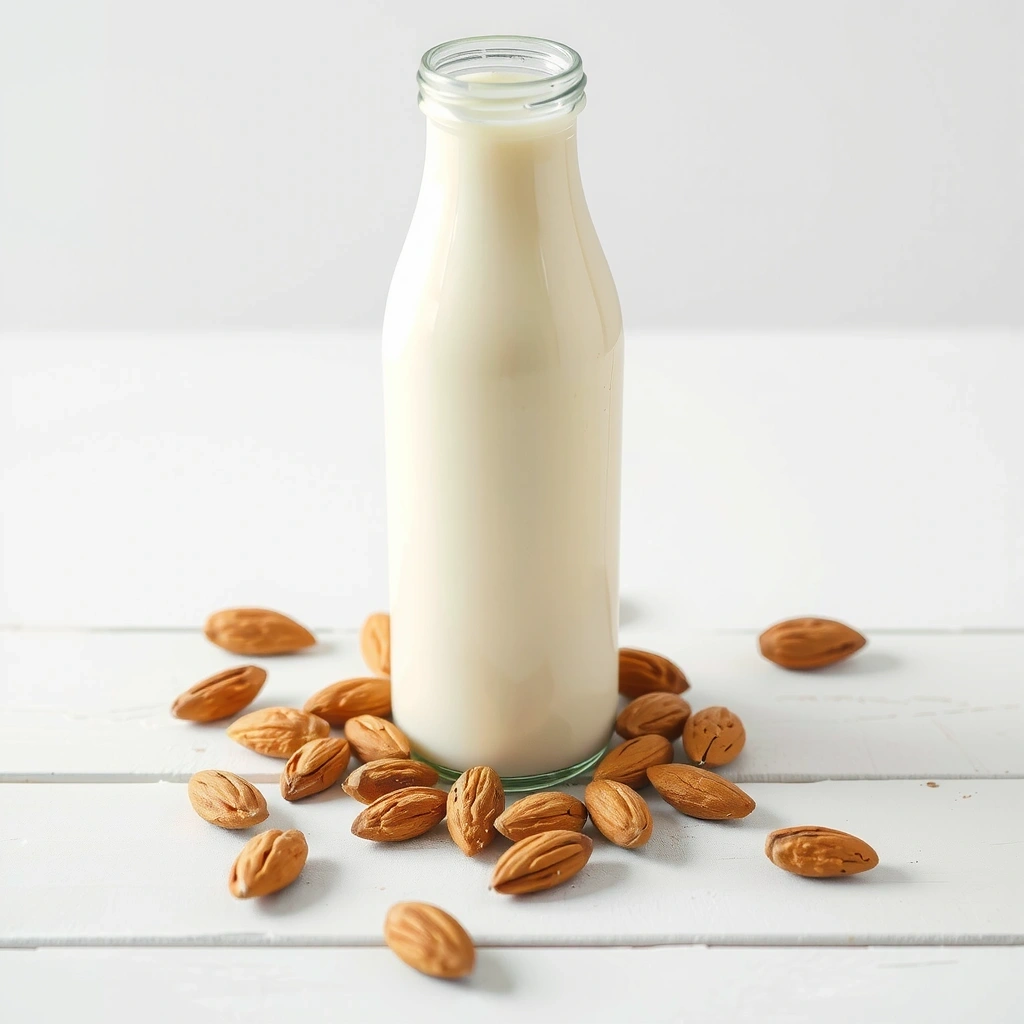
Almond Milk
Light and naturally sweet, almond milk is perfect for cereals, coffee, and smoothies. Made from blended almonds and water, it offers a delicate nutty flavor that's incredibly versatile.
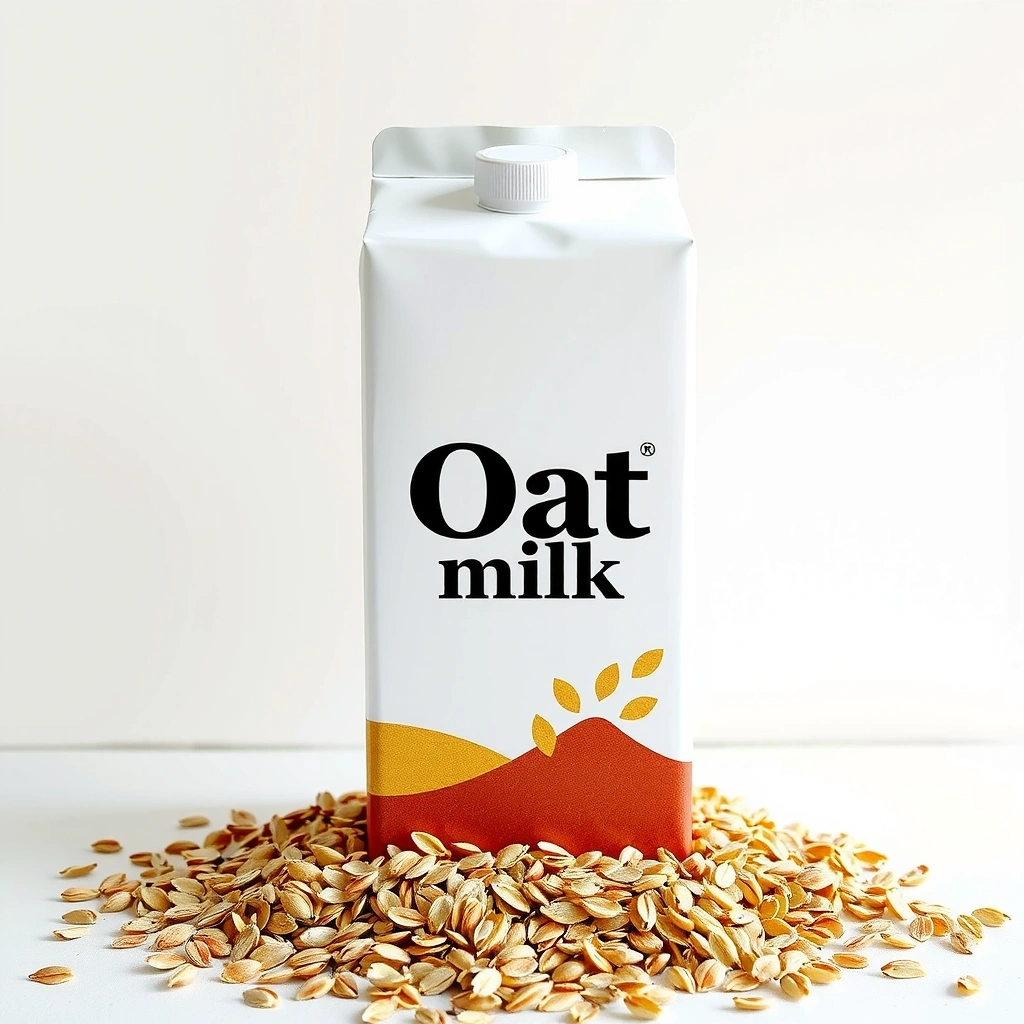
Oat Milk
The creamiest plant milk available, oat milk has a naturally sweet and mild flavor. Its thick, velvety texture makes it perfect for coffee drinks, baking, and creamy sauces.
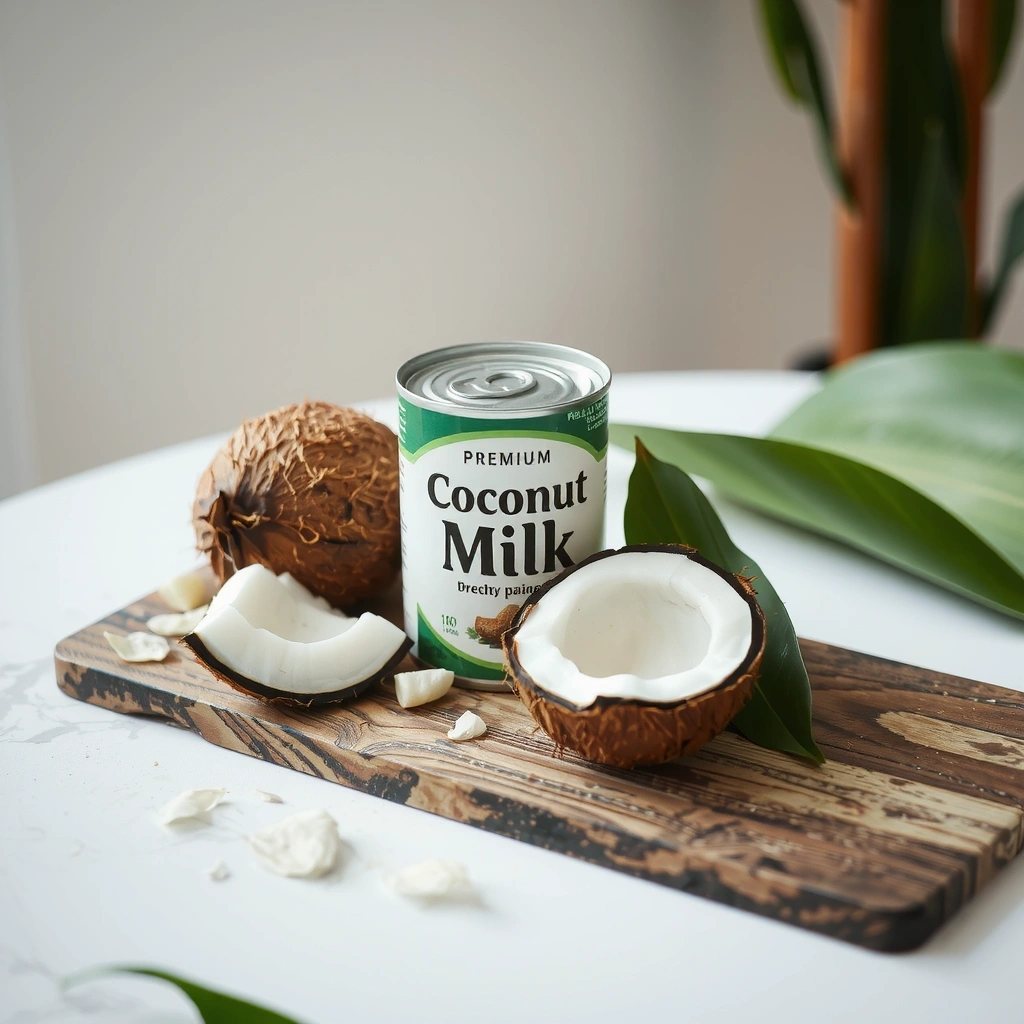
Coconut Milk
Rich and luxurious with a distinct tropical flavor. Coconut milk adds depth to curries, smoothies, and desserts. Available in both canned and carton varieties for different uses.
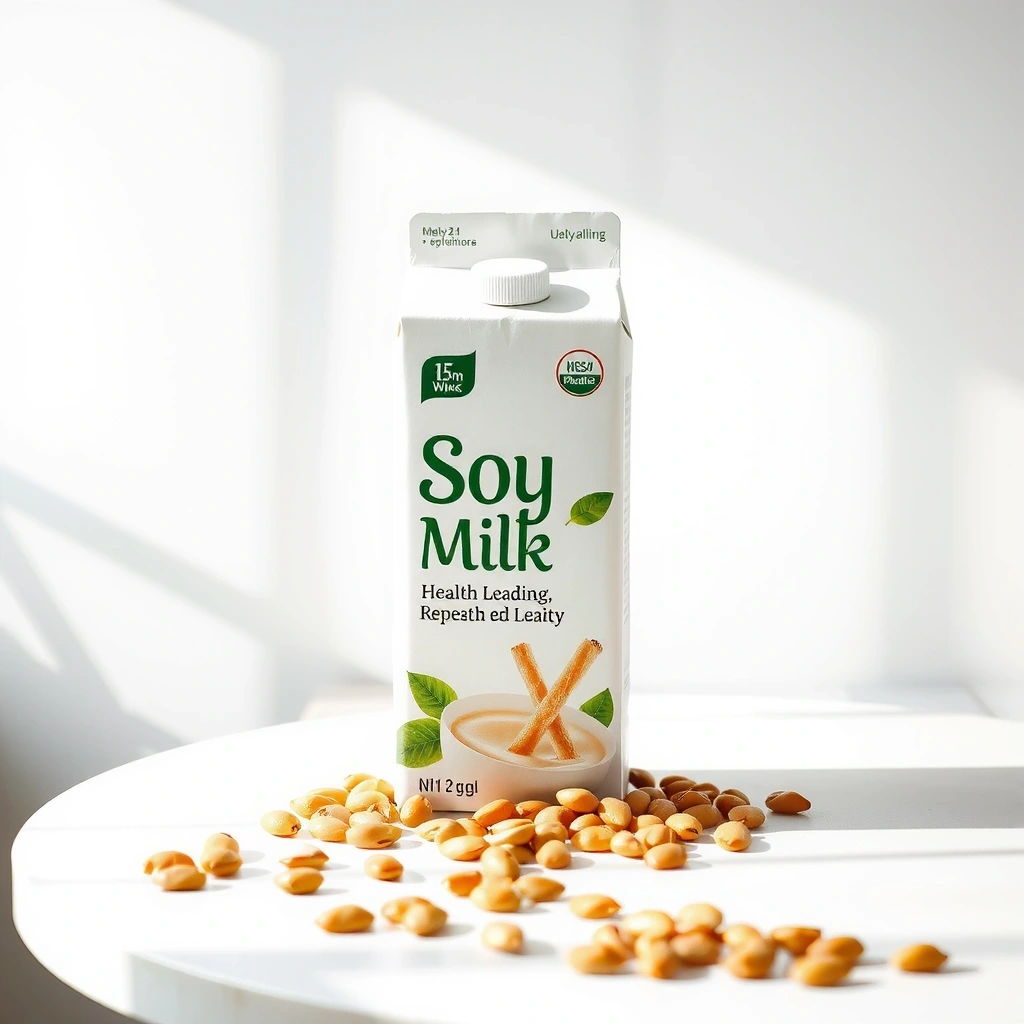
Soy Milk
The most protein-dense plant milk, soy milk has a mild, slightly nutty flavor. It's the closest to cow's milk in terms of protein content and works well in both sweet and savory applications.
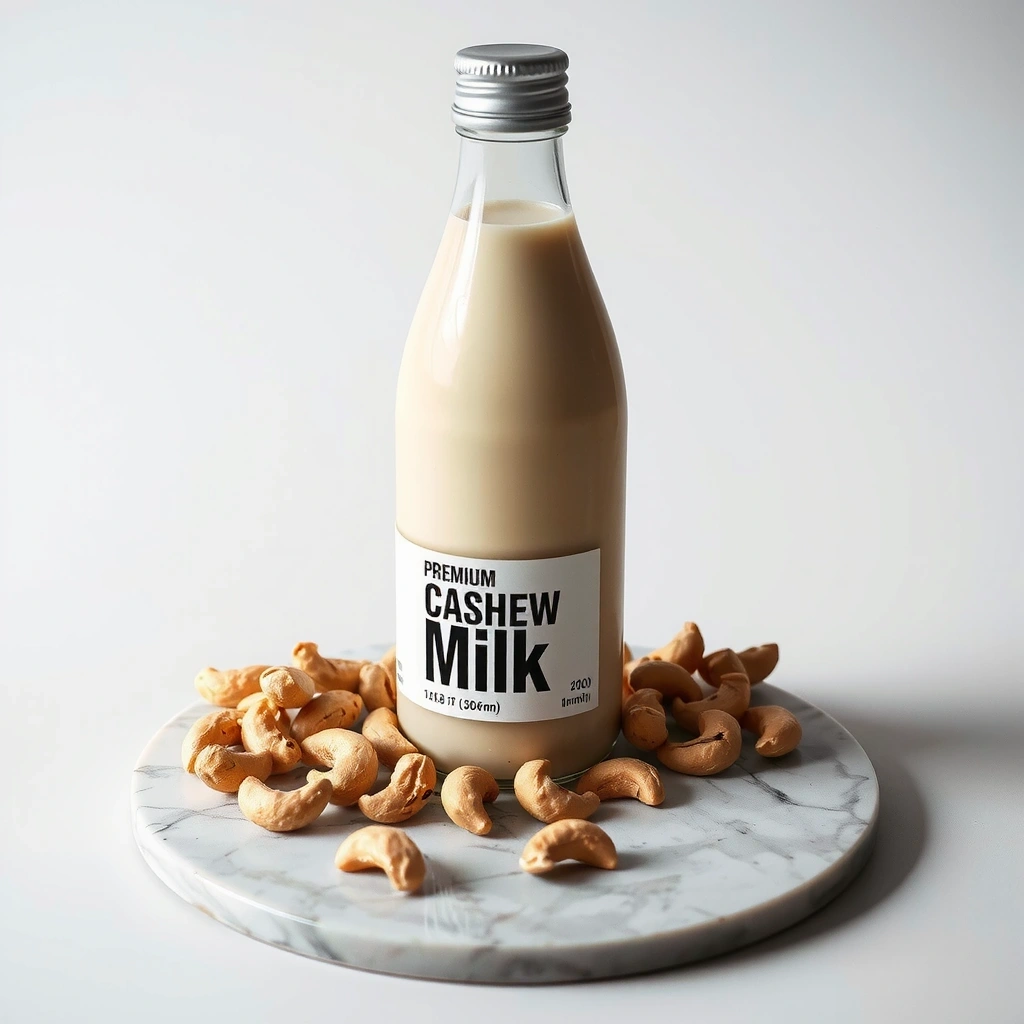
Cashew Milk
Exceptionally creamy with a naturally sweet, mild flavor. Cashew milk creates the most luxurious texture without any artificial thickeners, making it perfect for coffee and desserts.
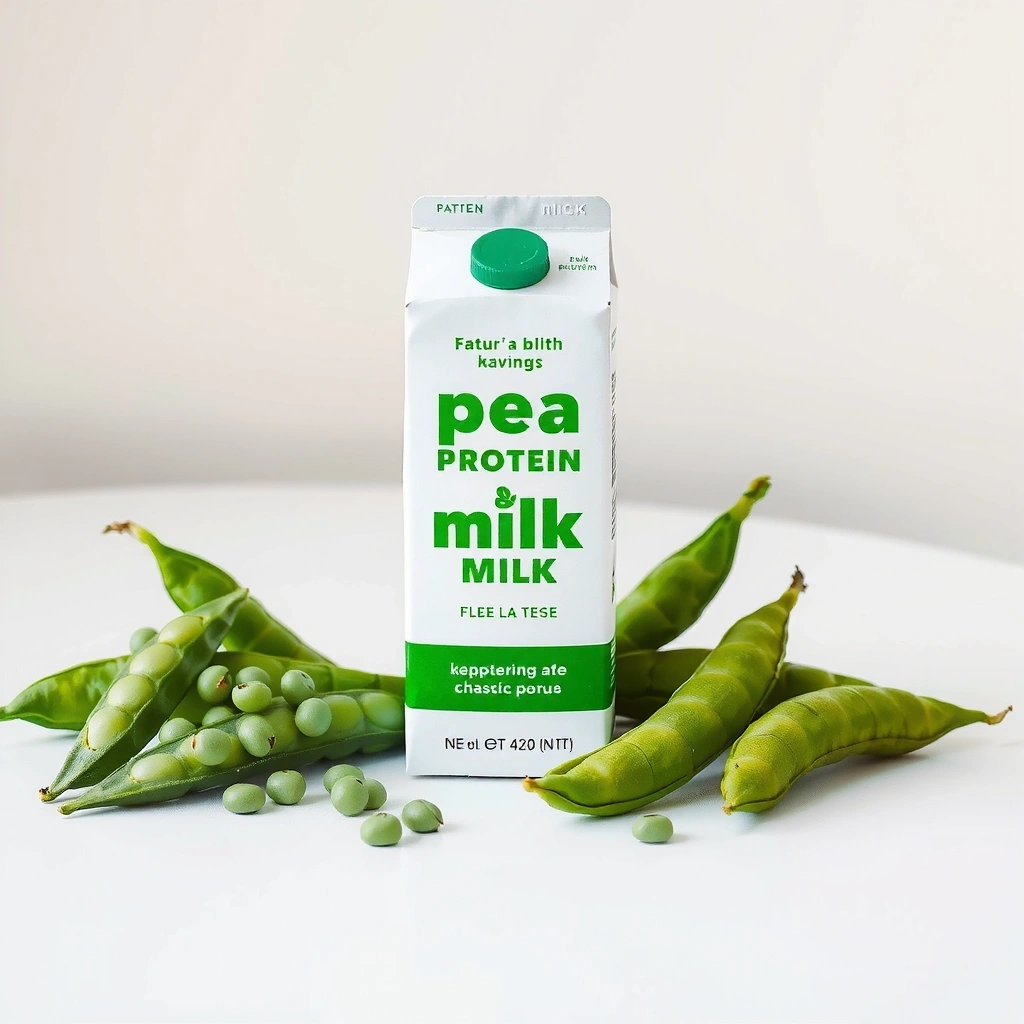
Pea Milk
Made from yellow peas, this milk alternative offers excellent protein content with a mild, slightly sweet flavor. It's naturally sustainable and has a neutral taste that works in any application.
Nutritional Comparison Guide
Make informed decisions with our detailed nutritional comparison of popular plant-based dairy alternatives versus traditional dairy.
| Alternative | Calories (per cup) | Protein (g) | Fat (g) | Calcium (mg) | Vitamin D (IU) | Best Uses |
|---|---|---|---|---|---|---|
|
|
30-40 | 1 | 2.5 | 450 | 100 | Cereals, Coffee |
|
|
120 | 3 | 5 | 350 | 100 | Coffee, Baking |
|
|
80 | 2 | 5 | 400 | 100 | Curries, Desserts |
|
|
100 | 7 | 4 | 300 | 100 | Shakes, Smoothies |
|
|
25 | 1 | 2 | 450 | 100 | Coffee, Smoothies |
|
|
70 | 8 | 4.5 | 450 | 100 | Protein Shakes |
|
|
120 | 8 | 5 | 300 | 120 | All-Purpose |
Protein Powerhouses
Soy milk and pea milk lead in protein content, providing 7-8g per cup - matching or exceeding traditional dairy. Perfect for active individuals and growing children.
Calcium Fortified
Most plant-based milks are fortified with calcium (300-450mg per cup) and vitamin D (100 IU), supporting bone health as effectively as dairy products.
Calorie Conscious
Almond and cashew milks offer the lowest calorie options (25-40 per cup), while oat milk provides the creamiest texture for those watching their weight.
Your Guide to Plant-Based Living
Practical recommendations to help you seamlessly incorporate plant-based dairy alternatives into your daily routine.
Daily Serving Suggestions
Optimal consumption guidelines for different age groups and lifestyles
Adults (19-50 years)
- 2-3 servings of fortified plant milk daily
- 1 cup per serving for calcium and vitamin D
- Rotate between different types for variety
Children (4-18 years)
- 2 servings daily for growth and development
- Choose protein-rich options (soy or pea milk)
- Ensure adequate calcium and vitamin D intake
Athletes & Active Individuals
- High-protein options for muscle recovery
- Post-workout protein shake with soy or pea milk
- Additional supplements may be needed
Best Uses for Each Type
Maximize flavor and nutrition by choosing the right alternative
Coffee & Hot Beverages
- Oat Milk: Creates the creamiest foam and latte art
- Cashew Milk: Naturally sweet, no added sugars needed
- Soy Milk: Best protein content, slight beany taste
Cereals & Breakfast
- Almond Milk: Light and refreshing, won't overpower cereal
- Oat Milk: Creamy texture similar to 2% dairy milk
- Coconut Milk: Tropical flavor for adventurous eaters
Cooking & Baking
- Oat Milk: Neutral flavor, excellent for baking
- Coconut Milk: Rich flavor for curries and desserts
- Soy Milk: High protein content for protein-rich recipes
Transition Tips & Storage
Make the switch smoothly and maintain freshness
Transition Strategy
- 1 Start with your favorite dairy application (coffee, cereal)
- 2 Mix dairy and plant milk 50/50 for the first week
- 3 Gradually increase plant milk ratio over 2-3 weeks
- 4 Try different brands and types to find your favorites
Storage Guidelines
- Refrigerated: Use within 7-10 days of opening
- Temperature: Keep at 35-40°F (2-4°C)
Smart Shopping Guide
Everything you need to know to make informed purchasing decisions when choosing plant-based dairy alternatives.
Reading Labels
Learn to identify key nutritional information and avoid unwanted additives in your plant-based dairy products.
- Check protein content (aim for 6-8g per serving)
- Verify calcium and vitamin D fortification
- Avoid carrageenan if you have digestive sensitivities
- Look for minimal ingredient lists
Where to Buy
Find the best places to purchase quality plant-based dairy alternatives, from local stores to online retailers.
- Local health food stores (widest variety)
- Major grocery chains (good prices)
- Online retailers (convenient delivery)
- Farmers markets (fresh, local options)
Budget Tips
Make plant-based living affordable with these money-saving strategies and cost-effective alternatives.
- Buy store brands (often 20-30% cheaper)
- Purchase shelf-stable versions in bulk
- Try making your own at home
- Look for sales and coupon offers
Price Comparison Guide
Average prices per quart (32oz) to help you budget for your plant-based lifestyle.

Frequently Asked Questions
Get answers to common questions about plant-based dairy alternatives
Modern plant-based milks are fortified to match or exceed the nutritional profile of dairy milk. Most contain comparable levels of calcium (300-450mg per cup), vitamin D (100 IU), and protein (though the protein content varies significantly between types). Soy milk and pea milk offer the highest protein content at 7-8g per cup, matching traditional dairy. Many plant milks also contain additional nutrients like B12, which is naturally found in dairy but often lacking in plant-based diets.
Absolutely! Most plant-based milks work well in cooking and baking. Oat milk is particularly versatile due to its neutral flavor and creamy texture. Soy milk works excellently in savory dishes and baking due to its high protein content. For baking, you can typically substitute plant-based milk 1:1 for dairy milk. However, for recipes that require dairy milk's unique properties (like making custards or certain sauces), you may need to add a small amount of oil or starch to achieve similar texture and richness.
Shelf-stable plant-based milks (found in aseptic cartons) can be stored at room temperature until opened and typically last 7-10 days after opening when refrigerated. Refrigerated plant-based milks should be consumed within 7-10 days of opening, similar to dairy milk. Both types should be stored at 35-40°F (2-4°C) once opened. Signs of spoilage include off smell, unusual texture, curdling, or taste changes. Always check the "best by" date on the package and follow storage instructions carefully.
Yes, plant-based milks can contain common allergens. Almond milk contains tree nuts, soy milk contains soy, and coconut milk contains coconut (which some people with tree nut allergies react to). Oat milk is generally the most allergy-friendly option, though it may be processed in facilities that handle other allergens. Always read ingredient lists carefully and consult with healthcare providers if you have severe allergies. Many brands now produce their products in dedicated allergen-free facilities.
Oat milk is widely considered the closest substitute to dairy milk in terms of taste and texture. It has a mild, slightly sweet flavor and a creamy consistency that works well in coffee, cereal, and cooking. Soy milk also has a relatively neutral taste but can have a slight beany flavor that some people notice. However, taste preferences are highly individual, so we recommend trying different types to find your favorite. Many people also find that their taste preferences change over time as they adjust to plant-based alternatives.
Children over 1 year old can safely consume fortified plant-based milks as part of a balanced diet. However, it's important to choose options with adequate protein, calcium, and vitamin D. Soy milk and pea milk are often recommended for children due to their higher protein content (7-8g per cup). For toddlers under 2 years old, whole fat versions are preferred. Always consult with your pediatrician when making significant dietary changes, especially for young children, to ensure they're meeting all nutritional needs.
Ready to Start Your Plant-Based Journey?
Join thousands of families who have made the switch to delicious, nutritious plant-based dairy alternatives. Start with our curated selection of premium products.
Questions? Contact our nutrition experts at [email protected]